Few components of a home obtain considered approved like the garage door. It moves several hundred extra pounds backwards and forwards, commonly numerous times a day, with warmth, cold, dust, and moisture. Then one morning it shudders, stalls halfway, or makes a sound that turns heads from inside the cooking area. That is typically when misinformation shows up.
Homeowners hear suggestions from neighbors, view a quick video, or think a noisy door is simply component of owning a house. Some misconceptions seem safe. Others lead straight to pricey damages, dangerous repairs, and service calls that could have been smaller and cheaper if dealt with sooner.
I have actually seen garage doors limp along for months since someone thought a spring can last permanently, or that a louder opener simply required even more pressure. I have additionally seen brand-new systems wrecked by poor assumptions after a hurried garage door setup. The fact is less remarkable than the myths, however far more useful. A garage door is a system. When one component begins to fail, the stress travels.
The most significant misconception, all garage door issues are simple do it yourself jobs
This one causes even more difficulty than nearly any kind of various other. There are a few upkeep tasks most property owners can do securely, like cleaning the tracks, checking weather seals, or evaluating the auto-reverse attribute. That does not suggest all garage door repair is a weekend project.
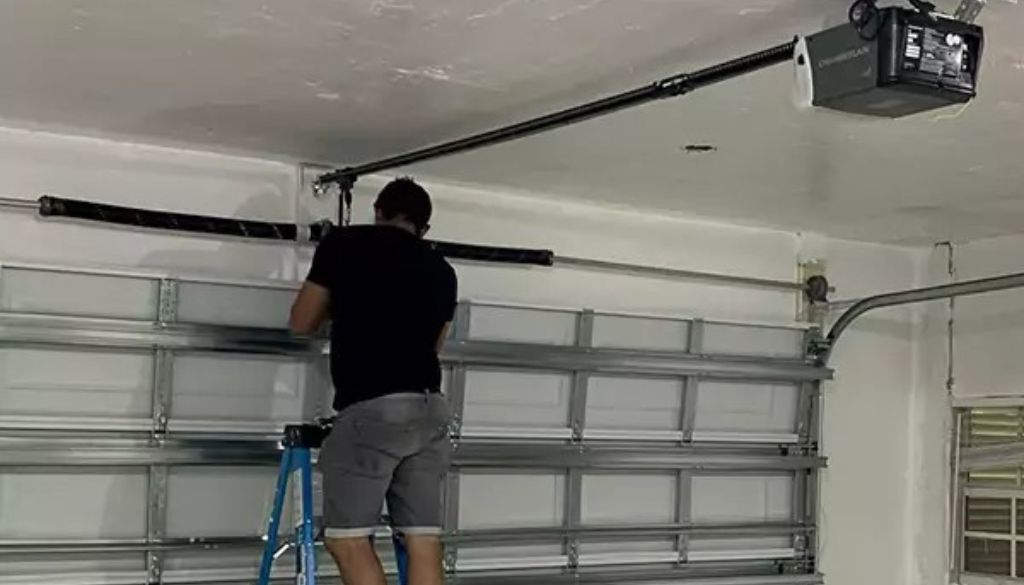
The hazardous misunderstanding generally begins with springs. Torsion and extension springs save a remarkable quantity of energy. When a springtime breaks, the door can become all of a sudden hefty, crooked, or difficult to lift. Garage door spring substitute is not equivalent to changing a door hinge or installing a shelf brace. It calls for the right devices, the ideal bars, a clear procedure, and an understanding of spring sizing and door equilibrium. Get it wrong, and the result can be severe injury or a damaged door that currently requires greater than a spring.
Even experienced homeowners have a tendency to undervalue what else is involved. The springtime is not a stand-alone part. The cords, drums, shaft, bearings, and opener setups all associate with that spring's stress. I have seen people replace one damaged springtime with a component that looked close sufficient, only to discover the door shooting up also quick, banging down, or drawing erratically. What looked like conserving a service charge turned into a bent top section, torn cables, and an electric motor straining to compensate.
That does not indicate every service telephone call requires a technician. It means judgment matters. A good guideline is easy: if the fixing involves spring tension, wire directing, door balance, or opener pressure changes past standard settings, caution needs to override confidence.
A noisy door does not constantly need a new opener
Many property owners think the garage door opener is the resource of every groan, screech, and rattle. Occasionally it is. Commonly it is not.
The opener obtains criticized since it is the visible machine with a motor and a light, and when the door begins sounding harsh, individuals naturally concentrate there initially. In method, sound usually comes from worn rollers, loose joints, dry bearings, track resonance, or an out of balance door requiring the opener to work harder than it should. Replacing the garage door opener without dealing with those underlying problems typically changes very little.
A common example is steel rollers that have simply gotten to the end of their valuable life. They start with a slight babble. In time that babble ends up being a severe metal rattle, specifically when the door crosses the contour in the track. Property owners listen to the sound in the ceiling and assume the motor is stopping working. Set up a quieter opener and the noise may soften, yet the harsh travel remains because the rollers were the real culprit.
There is another side to this myth. Sometimes the opener is the issue, however not since it is old. It might be undersized for the weight of the door, poorly placed, or coupled with a door that was never ever well balanced appropriately after garage door installment. In those cases, changing the opener can make sense, but just after the entire system is inspected.
A healthy door ought to relocate efficiently and feel sensibly stabilized by hand when separated from the opener. If it drops rapidly, feels abnormally heavy, or binds in one section, the maker is not the beginning point.
If the door still opens up, the trouble can wait
This belief fills solution timetables with preventable repairs. A garage door can keep operating long after it has started to stop working. Actually, that is one factor tiny problems obtain expensive. The door keeps functioning just sufficient to convince people nothing immediate is happening.
A tore wire might still lift today. A broken joint may hold for one more month. Rollers with used stems may endure dozens of cycles before one slips severely and sends the door out of placement. The system is forgiving, till it all of a sudden is not.
One home owner I talked to disregarded a jerking motion near the flooring due to the fact that the door always made it up at some point. What had actually begun as a worn bottom roller and a somewhat loose brace developed into a jagged door that pulled a cable off the drum. Then, the solution was no more a modest tune-up. It included cord reset, roller substitute, brace work, and added labor to straighten the door safely.
That pattern is common in household garage door repair. The early symptoms look minor, but the mechanical loads are not small. A garage door cycles under tension whenever it relocates. Hold-up permits wear to spread out from one part to the next.
Commercial garage door repair makes this even more apparent. In a service setup, a door might cycle ten, twenty, or fifty times a day. When rollers, springs, or tracks start to fail, the rate of deterioration is much quicker. A storage facility or solution bay can lose accessibility, security, and productivity over something that initially appeared to be a little squeak or sluggish travel.
More lube is not the solution to everything
This myth originates from an area of good intention. Individuals listen to a noise and grab a spray can. In some cases that helps. Equally as typically, it develops a sticky mess that catches dirt, fumble moving parts, or masks an issue that required correct repair.
Garage doors require the appropriate lube in the right areas, in moderate quantities. Rollers, hinges, and springs may benefit from manufacturer-appropriate lubrication. Tracks typically do not require to be covered. As a matter of fact, an oily track can bring in dirt and develop drag. If the door is binding since the track is curved or misaligned, no amount of lube will certainly fix it.
I have actually seen openers dripping with home oil since the proprietor thought every relocating component needs to shine. That can bring about residue on sensing units, grime buildup on the rail, and a false sense that upkeep has actually been done. Lubrication is not fix. It is one component of maintenance.
If a door suddenly comes to be loud after years of regular usage, lubrication may provide temporary alleviation, however quantum leaps in sound typically deserve closer attention. Mechanical systems frequently tell you what is wrong through noise prior to they fall short in an extra apparent way.
A curved panel is only a cosmetic issue
This is very easy to believe, particularly when the door still closes and the damage looks confined to one area. The issue is that door panels are architectural components. Their shape impacts just how the door takes a trip in the tracks, exactly how load transfers throughout hinges, and exactly how the opener draws from the leading section.
A dent from an automobile bumper may be aesthetic if it is superficial and isolated. A panel that is creased, folded up, or misshaped near a hinge line is different. It can shake off placement, tension surrounding sections, and jeopardize the door during opening and closing. The top panel should have certain care because opener force is used there.
Insulated steel doors can be especially deceitful. From a range, the damage may same day garage door repair services look small. Under lots, though, the panel may flex in methods it was never ever developed to. Over time, that powerlessness can spread.
Sometimes a single panel replacement is practical. In some cases it is not, specifically if the design is ceased, the shade does not match, or the rest of the door is already near completion of its life span. In those cases, a full garage door installment might make much better financial sense than covering an aging system panel by panel.
Garage door springtimes should be replaced just when they break
This is an expensive misconception because it structures maintenance as something that starts only after failing. Springs wear out by cycle count, not by schedule alone. Numerous basic torsion springtimes are rated in the rough series of 10,000 cycles, though actual lifespan varies with door weight, day-to-day usage, climate, spring high quality, and whether the spring was sized correctly in the first place.
For some households, that ranking might mean a number of years. For others, specifically homes where the garage is the main entry, it can show up quicker than anticipated. The point is not to change springs prematurely. It is to understand that exhaustion is predictable.
When a springtime nears the end of its life, the door may end up being heavier, the opener might stress, and the equilibrium may transform. A proactive assessment can catch this. Awaiting a clean break commonly develops an extra disruptive and in some cases a lot more harmful circumstance, especially if the car is trapped inside on a day morning.
Garage door spring replacement also increases another typical mistaken belief: changing just the broken springtime constantly conserves money. On a two-spring system, if one springtime has stopped working from age and usage, the 2nd springtime has usually experienced the same number of cycles. Changing both at the same time often makes good sense. It recovers balanced performance and reduces the opportunity of an additional malfunction shortly after the initial repair.
Newer doors do not eliminate the need for maintenance
A new system can be quieter, more secure, and more efficient than an older one, yet it is not maintenance-free. Modern garage door installation has enhanced products, insulation, weather sealing, and opener modern technology. That aids, yet relocating components still wear.
Rollers loosen up. Bolts settle. Tracks can change slightly with structure motion. Weather seals squash and fracture. Security sensing units get bumped out of positioning. Even a premium garage door opener requires routine screening to see to it the reverse function works correctly and the door remains balanced.
This myth typically shows up after home owners invest in a brand-new door and think they can forget it for ten years. Then they are stunned when a disregarded little issue creates preventable wear. The better method to think about a new door is like a new roofing system or cooling and heating system. Good devices lasts longer when fundamental maintenance happens on schedule.
Here are a few homeowner-safe habits that really aid:
Listen for changes in noise and expect jerky travel. Test the opener's auto-reverse attribute periodically. Keep tracks clean and devoid of debris, but do not coat them with hefty grease. Inspect weather seals for fracturing, spaces, or rodent damage. Schedule service if the door really feels heavy, unequal, or suddenly slow.None of those steps change professional service when a mechanical fault establishes. They simply catch difficulty earlier.
A stronger opener can make up for a falling short door
This idea sounds rational. If the door is hefty, set up a much more powerful opener. If it hesitates, enhance the force setting. If it struggles in wintertime, tighten up points up and allow the motor press harder.
That approach deals with the symptom while emphasizing the equipment. Openers are made to lead a properly balanced door, not deadlift a stopping working one. When the spring system deteriorates or the door binds in the tracks, the opener comes to be the victim. Equipments use much faster. Travel limits get thrown off. Safety and security settings end up being much less reliable.
Increasing force settings is particularly dangerous. If the door fulfills unusual resistance since something is wrong, the opener should quit or reverse according to its layout. If force is established too high, the motor might continue pushing against a blockage or a misaligned area longer than it should. That is not simply difficult on the tools. It can produce a security hazard.
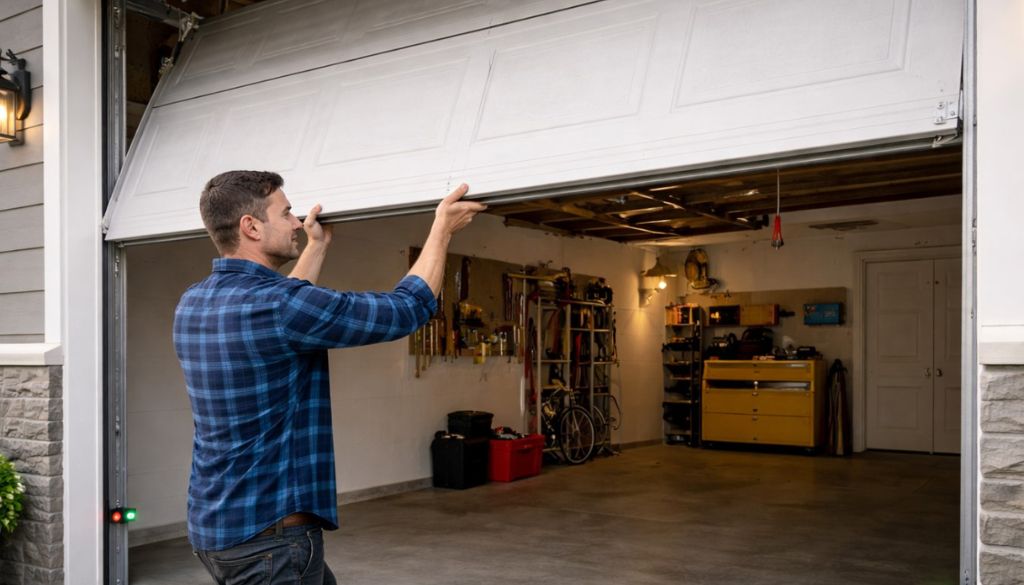
When a door instantly really feels also heavy to raise by hand after detaching the opener, the solution is not a more powerful equipment. The right feedback is to check the balance, springs, and hardware.
Commercial doors and property doors are essentially the same
Homeowners that likewise have small companies in some cases presume the advice transfers straight. There is overlap, yet the demands are various sufficient that the repairs commonly are too.
Residential garage door repair generally handles lighter cycle needs, different hardware sizes, and appearances that matter to curb appeal as high as feature. Industrial garage door repair has a tendency to include heavier doors, higher cycle counts, larger openings, more stringent uptime needs, and in some cases fire-rated, rolling steel, or sectional systems built for consistent use.
That difference affects diagnosis. A springtime setup ideal for a home attached garage might be completely inappropriate for a packing location that cycles all the time. Solution concerns likewise transform. In a home, a door can be bothersome. In an organization, a nonworking door can disrupt shipments, worker gain access to, safety and security, and revenue.
The myth issues because some proprietors postpone commercial fixings after listening to property guidance that appears familiar. A little rubbing, a minor imbalance, or a falling short bottom seal might not remain little for long in a high-cycle setting.
Weather is not a genuine element if the door is mounted correctly
Even a proper garage door installation should live with environment. Temperature swings influence metal, lubrication, weather condition seals, and opener efficiency. Moisture contributes to corrosion. Wind can disclose balance concerns or track weak points that remained hidden in calm problems. Cold can make breakable components fall short faster, particularly older plastic rollers or split seals.
Winter usually reveals low spring performance. A springtime that was currently near the end of its life can struggle extra in cold weather, making the door feel much heavier. Summertime heat can warp plastic trim and harden lower seals. Coastal regions add salt exposure, which is harsh on hardware and fasteners.
A properly set up door needs to deal with the local environment, however no door is unsusceptible to it. Climate does not excuse poor procedure, yet it definitely affects upkeep intervals and part longevity.
Price alone tells you that is supplying the very best repair
This may be one of the most expensive misconception camouflaged as a deal. A very low quote can suggest edges are being reduced someplace, partly quality, spring cycle rating, labor time, guarantee assistance, or diagnosis. Not every higher quote is justified either. The point is that garage door repair need to be evaluated on range, products, and skills, not just the last number.
Ask what components are being installed. Ask whether springtimes are being sized specifically for the door. Ask whether both springtimes are included when suitable. Ask what guarantee puts on labor versus parts. A correct property garage door repair telephone call must explain the failure plainly, not bury it in obscure language.
The exact same relates to garage door setup. A low quote may omit disposal, updated hardware, track support, opener integration, or weather condition securing details that matter later. 2 quotes can seem comparable while providing extremely various results over the following 5 years.
What homeowners should believe instead
The most beneficial way of thinking is not fear, and it is not blind self-confidence. It is regard for exactly how the system works.
A garage door is just one of the biggest relocating elements in a home. It integrates weight, stress, electronics, and daily rep. Great upkeep is not complicated, but precise medical diagnosis issues. Tiny signs deserve interest since they frequently indicate foreseeable wear. A top quality fixing usually solutions the reason, not simply the noticeable effect.
It additionally helps to think in regards to system health and wellness as opposed to solitary parts. A brand-new garage door opener will not cure poor springtimes. Fresh springtimes will certainly not address a curved track. Lubricating substance will certainly not fix bad equilibrium. And a stunning new door from a current garage door installment still needs periodic evaluation if you want it to stay quiet, risk-free, and reliable.
When house owners quit thinking the typical misconceptions, fixing decisions get less complicated. They spend much less on repeat fixes. They catch problems earlier. They stay clear of dangerous do-it-yourself blunders on high-tension parts. Most importantly, they obtain a door that works the method it should, efficiently, securely, and without ending up being the loudest point in your house every morning.
If your door has actually begun seeming different, moving erratically, or asking even more initiative from the opener than it used to, trust the signs and symptom. Garage doors hardly ever boost by being overlooked. A timely solution visit for garage door repair is typically the difference in between an uncomplicated modification and a much bigger task later.