A commercial overhanging door looks simple from the parking area. It rises, it boils down, and a lot of days nobody offers it much idea. Inside a storehouse or an active service shop, however, that door acts even more like a piece of production devices. It controls traffic circulation, secures stock, impacts power expenses, and forms just how securely individuals move with the structure. When it stops working, the issue rarely stays confined to the doorway.
That is why commercial garage door repair deserves a various criterion than the one numerous owners relate to tiny residential systems. A stockroom door might cycle loads of times a day. A shop door may open for delivery trucks at dawn, close for safety in the evening, and invest every hour in between handling forklifts, techs, and consumers. The wear pattern is harsher, the equipment is larger, and the repercussions of an error are a lot more expensive.
Over the years, one pattern turns up repeatedly. The most awful repair work bills usually begin with a tiny symptom that was simple to disregard. A minor jerk in travel. A scratching sound near the track. A hold-up before the garage door opener engages. A cord that looks a little looser than it utilized to. Proprietors often hope they can squeeze an additional month out of it. Then one cool early morning the springtime breaks, the door goes jagged, a truck is trapped inside, and the day turns into damages control.
Best practices are not made complex, but they do require technique. Industrial door systems award regular attention and punish neglect.
Why industrial doors stop working differently
A common home door and a business sectional or moving steel door might share standard technicians, yet the task conditions are not the same. Residential garage door repair typically focuses on periodic use, lighter springs, and shorter periods. Business garage door repair needs to account for bigger openings, higher-cycle components, even more frequent influences, and tighter operational timing.
Take a typical storehouse getting door. It may see 20 to 60 cycles on a regular day, occasionally more throughout peak season. Multiply that over a year and the spring system can gather wear much quicker than several owners anticipate. Add dirt, vibration, temperature swings, and occasional forklift get in touch with, and also a quality installation can wander out of adjustment.
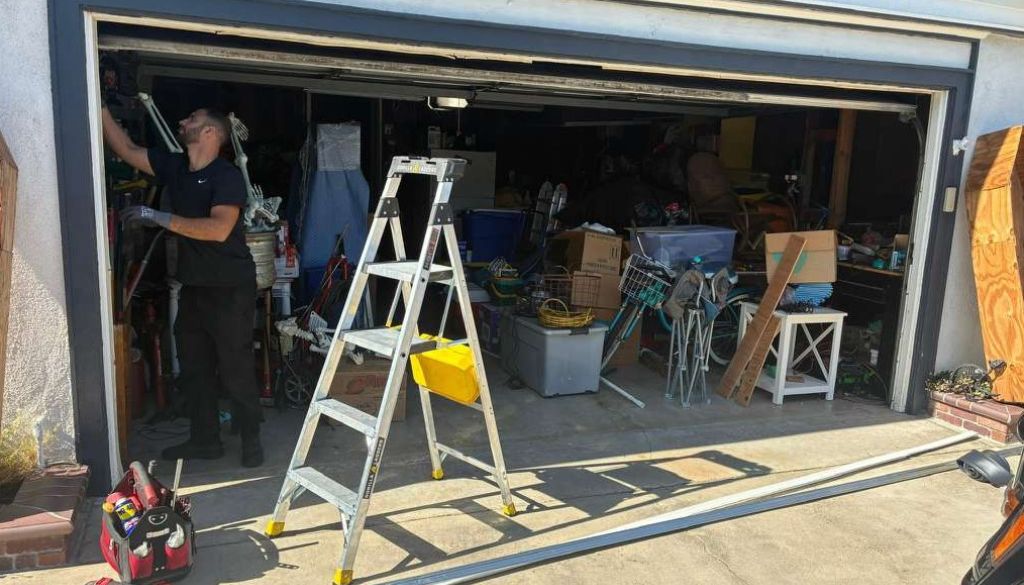
Shops develop a various kind of stress. Auto stores, fabrication areas, tools backyards, and fleet maintenance facilities frequently leave doors partly open for air flow or repeated fast access. That develops irregular strain on the right track, rollers, and opener setups. It additionally welcomes debris accumulation, specifically at the bottom seal and picture eye locations. In these atmospheres, door issues have a tendency to create from a combination of effect, contamination, and deferred upkeep as opposed to from age alone.
Understanding that difference garage door services Southport QLD issues since the repair service technique must match the operating reality. A storehouse door that cycles greatly may require preventative part substitute prior to noticeable failure. A store door that takes regular misuse might require tougher equipment, far better driver methods, and track defense along with routine service.
The ideal repair work begins before the breakdown
Owners often think of repair work and maintenance as different classifications, yet in technique the line is thin. The cleanest garage door repair calls usually take place when a specialist has a solution history to function from. If springtime stress was readjusted six months ago, if rollers were changed in 2015, and if the opener limits were lately examined, diagnosis ends up being straightforward. If no one has actually checked out the door in 3 years, every signs and symptom needs to be gone after from scratch.
A regimented assessment regular catches the majority of the costly failings while they are still affordable. That does not indicate staff must take apart doors or touch high-tension parts. It indicates somebody on site need to recognize what typical looks and sounds like.
A functional once a week walk-by check should concentrate on simply a couple of points:
Watch the door open and close fully, keeping in mind any type of jerking, reluctance, or uneven movement. Listen for grinding, standing out, or chain slap that was absent before. Check the tracks, lower seal, and opening location for debris or effect damage. Confirm that security eyes, edge sensors, and reversal features are unobstructed. Look for frayed cords, loosened fasteners, or gaps around rollers and hinges.That five-minute behavior stops a surprising variety of emergency telephone calls. One warehouse supervisor I dealt with begun logging door monitorings on the shipping clipboard. Within two months, his team caught a stopping working bottom roller prior to it split the joint and turned the area. The repair work cost a little portion of what a full panel replacement would certainly have cost, and more importantly, the filling lane never closed down.
Springs, cable televisions, and equilibrium are where numerous real troubles begin
If there is one location where business doors expose their problem fastest, it is the counterbalance system. Springs do the hefty lifting. The opener guides activity, however the springs carry the weight. When balance wanders, every various other part begins spending for it.
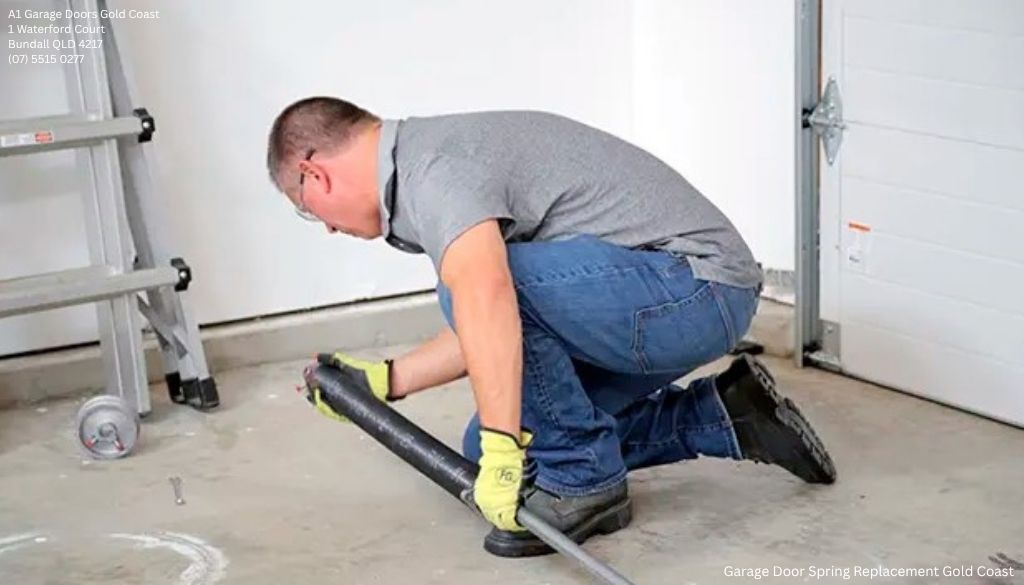
Garage door spring substitute is one of one of the most typical significant repair work in both property and business settings, but the risks are much greater on a big door. A used spring may not fail cleanly. It might first trigger the door to feel hefty, drift downward, slam closed, or area extra load on cable televisions and the garage door opener. Operators frequently misread those early indicators and presume the opener is weak. Actually, the opener is usually overworking since the springtime system is no longer doing its share.
A correctly well balanced industrial door should move with controlled, also take a trip. If it races down, hangs at mid-height, or requires the electric motor to stress audibly, the system requires attention. That is not a job for guesswork. Spring sizing, variety of turns, shaft condition, cable television drum wear, and door weight all issue. A fast repair on tension without attending to underlying inequality can produce a much more unsafe door than the one you started with.
Cables should have equal regard. In warehouses, it prevails to see one cord build up damages from rubbing or minor misalignment long before the various other. Once fraying begins, substitute ought to not be delayed. A wire failure can rack the door hard enough to bend track, damage panels, or drop a side all of a sudden. The repair after that broadens from one part to several, and the downtime stretches with it.
Openers are typically criticized, yet not always at fault
When a commercial door quits relocating dependably, people often tend to aim first at the driver. In some cases that is correct. Reasoning boards fall short, restrict switches wander, chains stretch, and motors age. However numerous opener problems start with mechanical resistance elsewhere in the door.
I have actually seen drivers changed too soon due to the fact that truth trouble was a seized roller, a curved straight track, or a door that had actually ended up being terribly out of equilibrium after a partial spring failure. The new garage door opener worked for a short duration, then revealed the same signs since it was still being asked to relocate a door with mechanical defects.
A smart repair work technique deals with the opener and the door as one system. Before authorizing major operator job, check whether the door moves easily, whether the springs are matched appropriately, and whether the tracks are plumb and safe and secure. Look at the mounting factors too. In stores with resonance from compressors, lifts, or machinery, opener braces can loosen up in time. That small motion can produce inconsistent restriction actions or chain alignment problems that look electric in the beginning glance.
Commercial operators additionally need to be matched to utilize problems. A gently used back stockroom door may do great with one task score, while a front solution bay that cycles frequently might need a higher-cycle unit and more robust controls. Great business garage door repair in some cases results in a recommendation for replacement, not due to the fact that the technician wants to upsell, yet due to the fact that the operator was undersized for the work from day one.
Impact damage adjustments the repair service decision
Forklifts, pallet jacks, delivery vans, and distracted vehicle drivers do not constantly struck doors hard sufficient to produce dramatic damages. More often, they clip a track, push a bollard, or capture the bottom area simply sufficient to change alignment. The door may still open up later, which attracts everybody to keep using it. That is where small damages turns costly.
A track that relocates even a little out of aircraft can cause rollers to put on erratically and pivots to twist under lots. A lower area with a fold near the center stile might bend differently on every cycle till it emphasizes surrounding panels. In rolling steel doors, curtain damages can transfer force into guides and the barrel setting up in ways that are not evident from the floor.
The ideal practice after any impact is easy. Stop making use of the door until a person certified checks it. That seems stringent, however it is far less expensive than compeling an endangered door through one more 30 cycles. If the door safeguards an essential bay, proprietors should have a connection strategy, which might mean rerouting website traffic to one more opening or organizing prompt after-hours repair service service.
This is likewise where installation high quality matters. Strong anchoring, appropriate track assistance, properly positioned bollards, and enough side space can lower the intensity of regular effects. Excellent garage door installation is not just about obtaining the door in the opening. It has to do with preparing for how people and devices will actually communicate with that said opening over time.
Repair versus substitute is a judgment telephone call, not a slogan
Many owners ask a practical inquiry: when should you maintain fixing an industrial door, and when should you replace it? There is no universal threshold, but a couple of sensible variables generally work out the issue.
If the framework is sound and the failing is isolated, repair frequently makes good sense. Changing springs, cords, rollers, bearings, joints, weather condition seal, or a garage door opener can restore years of service on a solid door. If the system has actually repeated track damage, multiple jeopardized sections, chronic balance problems, outdated controls, or severe deterioration, substitute begins to look smarter.
Age alone is insufficient to make a decision. I have actually seen 20-year-old commercial doors that were worth fixing because the panels were stout, the structure was true, and upkeep had actually been consistent. I have actually also seen doors much less than one decade old that required full substitute because the original garage door installment was poor, the driver was mismatched, and panel damages had come to be structural.
The clearest signal is whether repair work are attending to isolated wear or consistently compensating for a mistaken system. If every service go to resolves one signs and symptom yet one more arises within weeks, the door is informing you something.
Safety systems require even more respect than they typically get
Commercial facilities are full of relocating components, and individuals come to be familiar with them. That experience can make the door seem regular, even harmless. It is not. A hefty sectional door shops power in springtimes, cable televisions, and moving hardware. A rolling steel door can go down with major pressure if a component fails. Image eyes, reversing sides, kept an eye on entrapment devices, and guidebook release mechanisms are not side details. They are the distinction between a regulated incident and an injury.
One typical error in stores is allowing dirt, overspray, or kept products to interfere with sensing units. Another is linking open a door temporarily and failing to remember that the workaround changed how the system reacts. Service professionals likewise run into wall surface switches installed where clients or untrained staff can trigger a door without a clear sight of the opening.
A fixing finest method that is entitled to even more attention is documenting every safety feature check after service. Not in an obscure "evaluated all right" feeling, but in a practical record of what was tested, what passed, and what should be checked following. For multi-door facilities, that document assists divide one troublesome opening from an additional and provides managers self-confidence that the highest-risk factors are being managed systematically.
Climate, dirt, and daily use shape the solution plan
Environmental problems have a larger effect on industrial doors than many people understand. A stockroom near the coast battles deterioration. A country equipment shop deals with dirt and grit. A cold-climate loading dock sees seals set and steel contract. A food distribution website may wash floorings often and subject reduced equipment to dampness. The exact same door model behaves in different ways in each setting.
That is why common upkeep schedules miss the mark. Two solution brows through a year might suffice for one center and nowhere near enough for another. Heavily used openings, specifically those dealing with outbound shipping or client web traffic, typically take advantage of quarterly solution. Lower-traffic doors might only require biannual interest if inspections continue to be constant in between.
Weather securing is another overlooked location. Torn lower seals and stopped working boundary seal do more than let in air. They confess water, dirt, parasites, and wind stress, every one of which shorten the life of indoor equipment and enhance the opportunity of track contamination. In conditioned warehouses, poor sealing additionally drives up energy costs and creates convenience complaints near workstations. Fixing these "little" parts usually pays back quickly.
What to anticipate from a proficient business repair partner
Not every business that takes care of residential garage door repair is equipped for business job, also if they market both. The tools, parts inventory, specialist training, and action expectations are various. A skilled industrial provider ought to comprehend cycle matters, operator obligation ratings, springtime estimations, dock and car clearance concerns, and exactly how to maintain a site safe while the fixing is underway.
An excellent technician does greater than swap parts. They describe why the part fell short, what second wear they located, and whether the door can go back to solution safely that day. They ought to likewise be willing to tell you when an asked for shortcut is a bad idea. Proprietors do not constantly take pleasure in listening to that both springs ought to be replaced with each other, or that a bent track section need to not be "made to function" until next quarter. However those recommendations normally originate from hard-earned experience.
When evaluating a repair work partner, seek these habits:
They check the complete system before identifying the visible failure. They distinguish immediate security concerns from regular wear, without minimizing either. They paper components utilized, equilibrium and security checks, and follow-up recommendations. They review functional context, consisting of cycle volume, car web traffic, and downtime needs. They can sustain both fixing and future garage door installment if replacement ends up being necessary.That last factor matters more than it appears. The contractor who understands just how your doors fail is typically the one best placed to recommend a replacement system that fits your building and workload.
Common mistakes that increase repair work costs
Most expensive door problems do not begin with catastrophic failing. They begin with habits. A stockroom team keeps utilizing a door that seems incorrect because shipping is behind. A store props the door open utilizing an item that disrupts travel. A person notices a damaged joint and assumes it can wait till the next budgeting cycle. These selections are understandable, yet they include expense quickly.
One facility I saw had actually changed the exact same opener two times in 5 years. The origin ended up being a heavy door with old springs that had never been appropriately altered after panel substitute. The electric motor had been compromising itself to conquer imbalance. An additional website had problem with repeated track repairs till they installed better wheel overviews and reset exactly how vehicles approached the bay. The repair was partially mechanical and partially operational.
The pattern is consistent. If you deal with the door like a passive building component, you will usually pay more. If you treat it like a working maker with known wear factors, service ends up being a lot more predictable and less disruptive.
Building a repair work program that matches the business
The most effective strategy is not glamorous. It is a basic program developed around your actual operation. Start by identifying which doors are mission-critical. A front solution bay, a receiving dock, and a safe and secure devices opening do not all bring the same business threat. Track solution background by opening up, not simply by structure. Note cycle volume, repeated failings, and any kind of patterns associated with weather or shifts.
Then straighten your service periods to truth. High-cycle doors need more interest. Doors that encounter impact threat need noticeable protection and stricter event feedback. If your website has older doors with unavailable parts, establish a substitute timeline prior to a failure forces the choice. If you have a mix of industrial and home-style systems on the property, bear in mind that property garage door repair techniques may not transfer well to the larger openings.
When proprietors get this right, the change is obvious. Emergency situation calls decline. Repair invoices end up being easier to forecast. Personnel quit working around unstable doors. Customers and chauffeurs move with the center with much less friction. Most importantly, the building restores an item of functional stability that people only appreciate after it has been missing.
Commercial garage door repair is not simply an upkeep line thing. In storage facilities and shops, it becomes part of uptime, security, and asset defense. The very best techniques are straightforward: check early, repair service properly, respect the counterbalance system, validate safety and security functions, and pick companions who comprehend commercial use. That attitude maintains a door from coming to be the weakest factor in an or else well-run operation.