A business garage door rarely obtains much interest when it is doing its task. It opens at 5:30 in the early morning for the initial delivery van, cycles throughout the day for staff, forklifts, and outbound freight, after that closes at night without complaint. That quiet reliability is simple to take for granted. The problem starts when a door thinks twice, jerks, grinds, or stops halfway with a trailer waiting outdoors and a stockroom team standing still.
At that factor, the door is no more just a structure component. It ends up being a bottleneck.
In commercial settings, downtime spreads fast. One door out of service can delay receiving, interrupt hosting, impact shipping cutoffs, force personnel to reroute website traffic, and develop safety direct exposure for anybody trying to work around the issue. A great deal of owners initially call for business garage door repair when the problem comes to be difficult to neglect. By then, what can have been a reasonably small service telephone call might currently be costing them in labor, missed out on schedules, and avoidable components damage.
Regular repair and maintenance work is what maintains tiny problems from coming to be functional failings. Not aesthetic job, not busywork, and not a sales pitch for changing everything on the track. Just regimented interest to the parts that put on under heavy usage, and quick modification when something starts drifting out of spec.
The genuine cost of a door that stops working at the incorrect time
Most services comprehend the expense of tools downtime inside the building. They track forklifts, conveyors, refrigeration systems, and loading systems very closely since a breakdown has an immediate manufacturing effect. Overhead and rolling steel doors Helpful hints are entitled to the very same mindset.
A commercial door might cycle lots of times daily in a small procedure and more than a hundred times in a hectic stockroom, auto center, warehouse, or municipal building. Each opening and closing cycle locations stress on springtimes, rollers, hinges, cords, bearings, tracks, seals, and the garage door opener. Parts do not fail simultaneously. They degrade in phases. The indication typically show up initially as sound, slower traveling, irregular movement, or intermittent reversing.
If those indications are overlooked, the financial hit often tends to get here in layers. First comes the noticeable repair service costs. Then there is labor standing idle, vehicles waiting on the apron, overtime to recuperate shed throughput, and sometimes spoilage or client fines if shipments miss out on hard target dates. For centers with security or climate control requirements, a stuck-open door adds an additional problem completely. Conditioned air escapes, dust and pests get in, and security procedures end up being harder to enforce.
I have seen procedures lose much more cash from a half-day delivery interruption than from the repair service itself. In one storage facility, a used cord and neglected roller set triggered a sectional door to rack in the opening prior to the mid-day carrier pick-up. The repair service was not particularly intricate, yet the jam took place at specifically the incorrect hour. Staff needed to move organized pallets to another bay, rework packing order, and maintain a vehicle driver waiting. The invoice for the solution call was the smallest line product in the entire episode.
Why routine fixing matters much more in industrial settings than in domestic ones
There is overlap in between household garage door repair and commercial service, yet the operating setting is different enough that owners should not treat them the same. A home door might open up a handful of times daily. A commercial door typically works harder in a week than a residential door does in a month.
That higher cycle count adjustments whatever. Springs fatigue sooner. Rollers wear flat places. Fasteners loosen up under resonance. Track positioning ends up being a lot more delicate. Openers on business systems additionally face larger tons and more requiring gain access to control setups. A center might integrate timers, keypads, remotes, movement sensors, safety eyes, or fire-door release features. Each extra touchpoint includes an upkeep responsibility.
Commercial doors additionally carry functional risk that a home owner typically does not deal with. If a property door stops working, it is inconvenient. If a warehouse door fails, production and shipping can stop. If a service-bay door fails in an automobile shop, automobiles accumulate and service technicians lose billable hours. If a door serving a chilled location fails, energy waste starts immediately. That is why routine industrial garage door repair must be viewed as uptime defense, not simply building maintenance.
The little issues that come to be major interruptions
Most emergency calls begin with a symptom that had been present for days or weeks. Occasionally much longer. Team notice that the door seems rough, closes more challenging than typical, or needs a second effort to react. Since the door still functions a lot of the time, the concern obtains brushed aside. The danger because reasoning is that worn components seldom remain isolated.
A fractured joint can change load to surrounding areas. A torn cable television can throw the door out of equilibrium and rise pressure on the opener. Dry bearings create drag, which can strain the motor and reduce its life. Harmed lower seals allow water and debris, which then hinder track problems and produce slip hazards near the limit. What begins as a simple change can become a chain reaction.
The exact same holds true of springtime systems. Garage door spring substitute is typically held off due to the fact that the door still opens. Yet springtimes lose stress slowly prior to they fall short totally. As that balance adjustments, the opener works harder to move the tons. The door may bang shut faster than made or struggle to remain open at the appropriate height. By the time a spring snaps, the center is handling both a security problem and a difficult stop in operations.
What a normal solution program really prevents
When people listen to the phrase garage door repair, they usually picture just reactive job after something breaks. In technique, good fixing programs blend restorative service with evaluation and change. The objective is to capture problems that are on their means to failure.
A service technician aware of commercial systems searches for foreseeable wear patterns. Rollers can loosen inside their stems. Tracks can wander out of placement from forklift influence or resonance. Drums and cable televisions can use unevenly. Safety and security tools might still function, yet not with the proper feedback time or positioning. Installing hardware can withdraw in time, particularly on high-cycle doors. These are not significant failings when they start. They are the sort of conditions that develop emergency situation calls if no one intervenes early.
That is where normal solution settles. A scheduled check out may determine a cable television with visible fraying, a door area beginning to split near a hinge point, or an opener contactor showing irregular operation. Replacing or repairing those parts under regulated conditions is always less complicated than doing it while a line of trucks waits outside.
In lots of centers, precautionary repair service also prolongs the helpful life of the complete door system. That issues due to the fact that industrial garage door setup is a bigger capital spending than numerous proprietors expect, particularly when the opening is large, protected, wind-rated, or integrated with filling dock devices. Delaying unnecessary substitute by a few years with disciplined upkeep can be a clever monetary move, gave the door stays risk-free and structurally sound.
Warning indications worth treating seriously
The finest time to require service is prior to the door fails. Facility managers do not require to detect every component, yet they must understand when a sign should have attention.
- The door moves erratically, binds, or appears misaligned in the opening. Opening or closing takes longer than typical, or the opener strains and hesitates. Staff hear grinding, standing out, squealing, or a hard effect at complete close. Cables reveal fraying, rollers wobble, or joints and brackets look curved or loose. The door reverses all of a sudden, will not close fully, or safety devices act inconsistently.
None of these indicators ensure a significant repair service, yet every one points to put on, inequality, obstruction, or control concerns that must be inspected without delay. The earlier the phone call, the wider the repair options normally are.
The role of the garage door opener in preventing shutdowns
When people discuss business door dependability, they frequently focus on springtimes and hardware first, which makes feeling due to the fact that those components take a lot of mechanical abuse. Still, the garage door opener should have equal interest. A healthy driver does more than relocate the door. It regulates rate, limitation traveling, responsiveness, and safety and security inputs. If it falls out of adjustment or begins to fail electrically, the entire system comes to be unpredictable.
I have actually seen doors misdiagnosed as track or springtime issues when the root issue was in fact in the operator controls. A stopping working restriction button can cause overtravel. Worn drive components can produce jerking activity. Electric faults can produce recurring operation that is tough for staff to define and even harder for supervisors to schedule around. Eventually the door functions penalty. The following day it quits 3 feet except full open and develops a line at the dock.
Regular service assists different real architectural wear from control-system troubles. It likewise provides specialists a chance to verify image eyes, edge sensing units, and emergency launch functions. That matters for uptime, yet it matters even more for safety. A door that does not quit or turn around properly is more than an inconvenience.
Why deferred spring work is among the costliest mistakes
Garage door springtime substitute is usually misinterpreted due to the fact that springs are hidden from everyday interest. If the door still relocates, many presume the springs are great. In reality, springs can be severely worn down while the opener compensates for the loss.
That payment comes with a cost. Openers are not created to lug an unbalanced door indefinitely. They are developed to lead a correctly counterbalanced system. When the spring stress goes down as well much, the opener draws harder, runs hotter, and wears faster. Door travel becomes rougher, wires can loosen or leap, and the threat of a sudden failure rises.
For high-cycle commercial doors, springtime life must be talked about in sensible terms. Not simply years, but cycles. A springtime rated for a specific cycle matter might wear swiftly in an active center and last a lot longer in a low-traffic one. That is one reason common upkeep routines can fall short. A door utilized ten times a day and a door made use of eighty times a day need to not be dealt with as though they age at the exact same pace.
When springtime replacement is dealt with proactively, the job can be scheduled around procedures. When a springtime breaks unexpectedly, the discussion changes from preparing to harm control.
Repair versus replacement ask for judgment, not habit
Not every aging door must be repaired forever. There comes a point when duplicated service calls, obsolete parts, architectural tiredness, or running ineffectiveness make a new business garage door setup the smarter relocation. The difficulty is identifying that factor without changing a door also early.
An excellent service provider need to be able to clarify the compromise clearly. If a door has solid panels, an audio structure, readily available parts, and a convenient fixing requirement, service normally makes sense. If the areas are terribly damaged, the track geometry is jeopardized, corrosion is severe, or the operator and safety systems are dated sufficient to produce persisting failings, replacement might protect uptime better than an additional patch.
This is where experience issues. Owners do not require somebody that presses a new install every time a door screeches, and they do not need someone that maintains revitalizing a failing system simply to prevent a difficult discussion. The best recommendations evaluates repair service expense, continuing to be life, usage strength, and business effect of another failure.
There are also blended situations. Occasionally the most effective answer is not a full substitute, however a targeted modernization. An organization may keep the door structure while changing the garage door opener, springs, seals, and control components. That can provide a big reliability gain without the complete cost of a brand-new system.
Scheduled repair secures greater than mechanics
The most obvious advantage of regular industrial garage door repair is lowered downtime, however that is not the only benefit. Constant solution additionally protects security, power performance, and workflow.
A door that shuts properly against a healthy and balanced seal assists manage dirt, climate, insects, and conditioned air loss. In centers with temperature-sensitive inventory or workplace, that issues daily. A door that travels smoothly additionally reduces the lure for employees to improvise. When a door starts sticking, individuals discover workarounds. They prop openings, pull areas by hand, bypass normal access factors, or operate around damaged components. Those habits produce risk.
There is additionally an administrative advantage. Planned repair work are easier to budget plan than emergency interruptions. Facility supervisors can organize service phone calls, record repeated concerns by opening, and forecast when bigger funding decisions might be coming. That kind of presence is useful in multi-site procedures where tiny structure failures often tend to multiply if they are not tracked carefully.
What a reasonable upkeep rhythm looks like
There is no global schedule that fits every property. Usage strength, door size, ecological conditions, and the type of company all matter. A dirty industrial center, a coastal property with corrosion exposure, and a low-traffic storage building will mature in different ways even if they make use of similar doors.
Still, a sensible service rhythm usually consists of routine assessments, timely modification of minor flaws, and immediate response to any adjustment in travel, noise, equilibrium, or control habits. High-cycle doors might require interest numerous times per year. Lower-cycle openings might be great with less constant brows through, provided personnel report issues early and the doors are not operating in rough conditions.
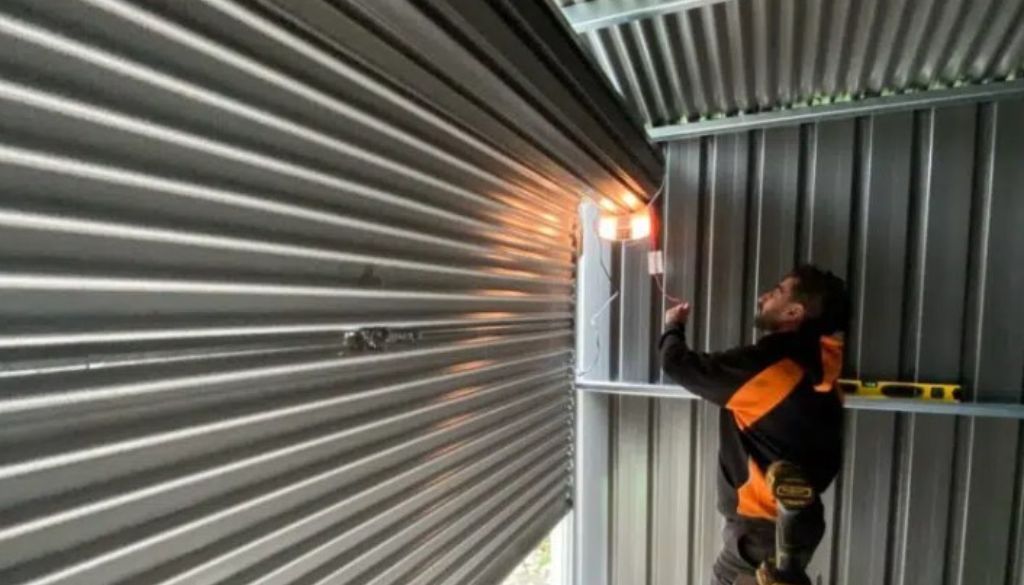
The secret is not going after an inflexible date on the calendar. It is matching solution frequency to actual wear. That calls for interaction in between website team and the company. If receiving teams begin discovering slower lift, if maintenance personnel see frayed cables, or if the opener journeys inconsistently, those observations ought to set off action as opposed to being in a note pad until the next quarter.
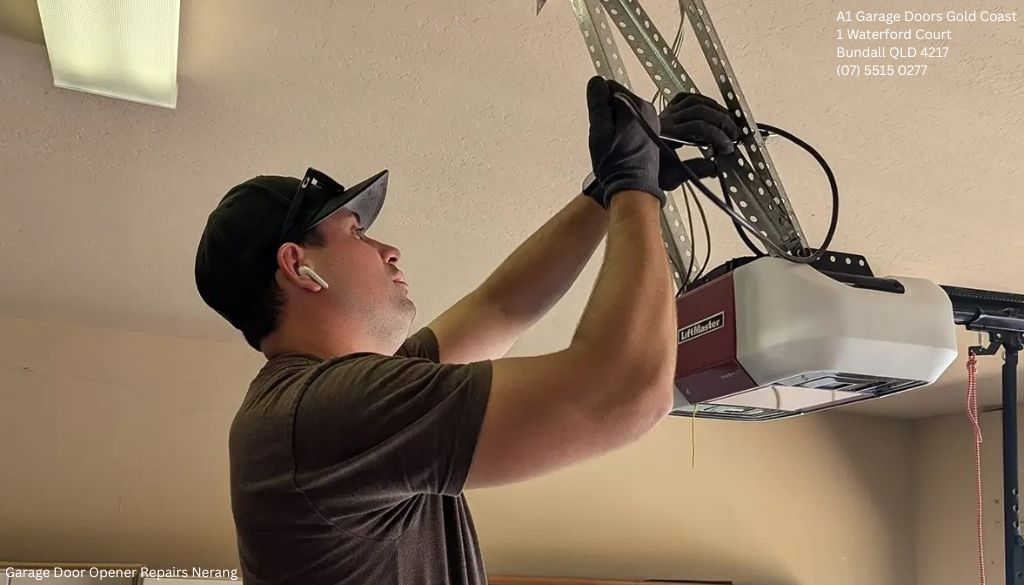
Choosing the best fixing partner
An organization does not need the least expensive available specialist. It requires a fixing partner who understands industrial operating stress and treats downtime as a severe service event. The distinction appears in just how they evaluate, connect, and prioritize.
A strong service business clarifies what failed, what is wearing, what must be kept track of, and what can fairly wait. They comprehend the truths of filling timetables and try to plan work around them. They recognize the difference in between domestic garage door repair practices and the demands of heavy business systems. They also record components problem well enough that a facility supervisor can make budget decisions without guessing.
The ideal technicians I have dealt with were not dramatic. They were methodical. They detected patterns. They discovered when one bay kept going out of placement due to repeated forklift call. They pointed out when an apparently arbitrary opener issue was connected to a stopping working control station. They prevented failings since they took note of the whole operating context, not simply the component that happened to be damaged that day.
Downtime prevention is usually built in the peaceful moments
Most reputable business doors do not remain trusted by chance. They stay dependable because someone reacts when the door starts debating, whether that indicates sound, resonance, hold-up, or discrepancy. Regular commercial garage door repair because it intercepts wear before wear ends up being stoppage.
That technique is less significant than an emergency rescue phone call, but far more beneficial. It maintains delivery lanes relocating, team productive, and safety and security risks reduced. It protects the opener from unneeded pressure, captures spring problems prior to they come to be failures, and helps owners choose when fixing still makes good sense and when business garage door installation must get in the conversation.
For any type of organization that depends on open bays, timed pick-ups, or controlled accessibility, the door belongs to procedures. Treat it that way, and downtime becomes much easier to avoid.